
The automotive industry is going through one of the biggest transformations in its history. Rising fuel prices, environmental concerns, and advances in battery technology are pushing drivers toward more sustainable transportation options. Two of the most popular alternatives to traditional petrol and diesel vehicles are hybrid cars and electric cars. Both promise better fuel efficiency, lower emissions, and a modern driving experience, but they work in very different ways.
For many drivers, the biggest question is simple: which one is better for everyday use? If your daily routine includes commuting to work, running errands, school pickups, and occasional road trips, the choice between a hybrid car and an electric car can significantly impact your convenience, costs, and driving experience.
In this detailed guide, we’ll explore how hybrid and electric vehicles work, their advantages and disadvantages, ownership costs, maintenance needs, environmental impact, and which option is most practical for daily driving.
A hybrid car combines two sources of power: a traditional internal combustion engine and an electric motor powered by a battery. These two systems work together to improve fuel efficiency and reduce emissions. In most hybrid vehicles, the car can switch automatically between gasoline power and electric power depending on driving conditions.
For example, when driving slowly in city traffic, the car may run on electric power alone. When accelerating or driving at higher speeds, the gasoline engine may take over or work together with the electric motor to deliver better performance.
There are several types of hybrid vehicles. A standard hybrid charges its battery through regenerative braking and the engine itself. A plug-in hybrid has a larger battery that can be charged through an external power source. Mild hybrids provide some electric assistance but cannot drive solely on electricity.
Hybrid technology has been around for decades, and manufacturers have refined it to be extremely reliable. For drivers who want better fuel efficiency without completely changing how they refuel their vehicles, hybrids offer a familiar and convenient transition.
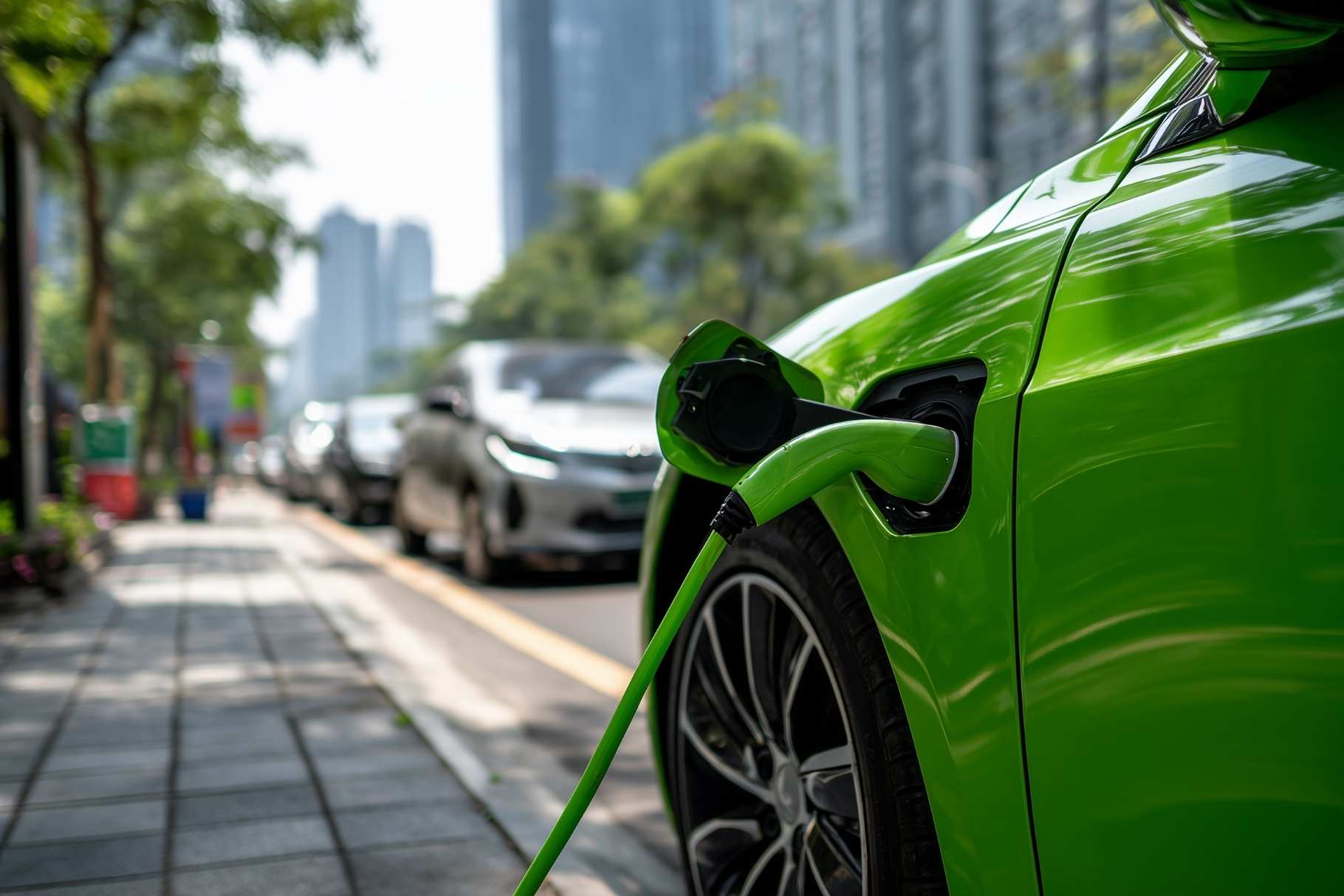
Electric cars, often referred to as EVs, operate entirely on electricity. Instead of a gasoline engine, they use one or more electric motors powered by large battery packs. These batteries are charged by plugging the vehicle into an electrical outlet or charging station.
Because electric vehicles do not rely on fuel combustion, they produce zero tailpipe emissions. This makes them an attractive option for drivers who want to reduce their environmental footprint and contribute to cleaner air in cities.
Electric cars are also known for their smooth and quiet performance. Since electric motors deliver instant torque, acceleration can feel quicker and more responsive than traditional vehicles. Many modern EVs are also packed with advanced technology features, making them appealing to tech-savvy drivers.
However, electric vehicles require access to charging infrastructure, and their range depends on battery capacity. While charging networks are expanding rapidly, availability and charging time are still important considerations for daily drivers.
One of the biggest reasons people consider hybrid or electric vehicles is efficiency. Traditional gasoline vehicles waste a large portion of energy during combustion, but both hybrids and EVs aim to use energy more effectively.
Hybrid cars improve fuel economy by using electric power during low-speed driving and capturing energy through regenerative braking. This means less fuel consumption, especially in stop-and-go traffic. For commuters who spend a lot of time in city traffic, hybrids can significantly reduce fuel expenses.
Electric vehicles, on the other hand, eliminate fuel consumption entirely. Instead of paying for petrol or diesel, drivers pay for electricity. Charging an EV generally costs much less than filling a tank with fuel, especially when charging at home overnight.
However, the overall cost advantage can depend on electricity prices, driving distance, and local energy rates. In some regions, electricity is significantly cheaper than fuel, making EVs extremely cost-effective.
When considering daily driving, convenience plays a major role. Hybrid vehicles offer a seamless experience because they can be refueled at any traditional fuel station. Drivers do not need to change their habits, and long trips are just as easy as with conventional vehicles.
Electric vehicles require planning for charging. If you have access to a home charger, daily use can actually become more convenient because you wake up each morning with a full battery. However, drivers who rely on public charging stations may need to schedule charging sessions depending on availability.
For urban drivers with predictable routines and short commutes, electric cars are often extremely convenient. For drivers who frequently travel long distances or lack charging access, hybrids may feel more practical.
Driving range is another key factor when comparing hybrid and electric vehicles. Hybrid cars generally have longer ranges because they use gasoline when the battery is depleted. Many hybrids can travel hundreds of kilometers on a single tank of fuel.
Electric vehicles depend entirely on battery capacity. Modern EVs often provide ranges between 300 and 500 kilometers, which is more than enough for most daily commutes. However, longer road trips require charging stops, which can take longer than traditional refueling.
Battery technology continues to improve rapidly, and many upcoming EV models promise even longer ranges and faster charging speeds. As infrastructure expands, range anxiety is gradually becoming less of a concern.
Maintenance is another area where hybrid and electric cars differ. Hybrid vehicles still include an internal combustion engine, meaning they require oil changes, engine maintenance, and other traditional servicing tasks. However, the electric motor helps reduce engine strain, which can extend engine life.
Electric vehicles have fewer moving parts compared to gasoline vehicles. Without an engine, transmission, or exhaust system, EVs typically require less maintenance. Most servicing focuses on tires, brakes, and battery health.
Regenerative braking in EVs also reduces wear on brake pads, meaning they may last longer than those in traditional cars. Over time, this can lower maintenance costs significantly.
Environmental impact is one of the strongest arguments for electric vehicles. Because EVs produce no tailpipe emissions, they help reduce air pollution in cities and contribute to lower greenhouse gas emissions.
Hybrid vehicles also reduce emissions compared to traditional cars, but they still rely on gasoline for part of their operation. While hybrids are cleaner than conventional vehicles, they are not completely emission-free.
However, the overall environmental impact of EVs can depend on how electricity is generated. If electricity comes from renewable sources such as solar or wind power, the environmental benefits become even greater.
When choosing between hybrid and electric vehicles, many drivers focus on long-term ownership costs. Hybrid vehicles typically have a lower purchase price than fully electric vehicles, making them more accessible for many buyers.
Electric vehicles often cost more upfront due to expensive battery technology. However, lower fuel costs and reduced maintenance expenses can offset the higher purchase price over time.
Government incentives and tax benefits may also reduce the effective price of electric vehicles in many regions. These incentives encourage adoption and help make EVs more competitive with traditional vehicles.
Charging infrastructure is rapidly expanding around the world. Public charging stations are becoming more common in cities, shopping centers, workplaces, and highways. Fast chargers can replenish a large portion of an EV battery in less than an hour.
Home charging remains the most convenient option for many EV owners. Installing a home charger allows drivers to plug in their vehicles overnight and start each day with a full battery.
Hybrid vehicles do not depend on charging infrastructure because they refuel like conventional cars. Plug-in hybrids do benefit from charging, but they can still operate on gasoline when needed.
The best choice ultimately depends on your lifestyle and driving habits. If you have a predictable daily commute, access to home charging, and a desire to eliminate fuel consumption, an electric car can be an excellent choice. EVs offer quiet operation, smooth acceleration, and lower operating costs.
If you frequently travel long distances, lack reliable charging access, or prefer a familiar refueling experience, a hybrid vehicle may be the better option. Hybrids provide improved fuel efficiency while maintaining the flexibility of traditional gasoline vehicles.
For many drivers, hybrids serve as a transitional technology that bridges the gap between traditional vehicles and fully electric transportation. As charging infrastructure grows and battery technology improves, more drivers may eventually shift toward electric vehicles.
Hybrid cars and electric cars both represent significant steps toward a more sustainable automotive future. Each technology has unique advantages, and both are capable of delivering a practical and enjoyable daily driving experience.
Electric vehicles stand out for their zero emissions, low operating costs, and advanced technology. Hybrid vehicles offer versatility, long range, and the convenience of traditional refueling. Choosing between the two depends on your driving needs, charging availability, and personal priorities.
As technology continues to evolve, the gap between hybrids and electric vehicles may continue to shrink. Battery improvements, faster charging, and expanding infrastructure will likely make electric vehicles even more appealing for everyday drivers.
For now, both options offer compelling benefits. Whether you choose a hybrid or an electric vehicle, you will be taking a meaningful step toward more efficient, environmentally friendly transportation.